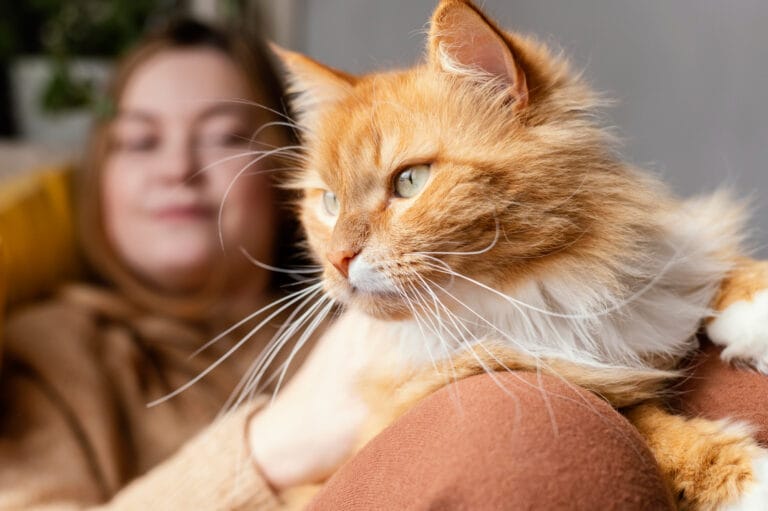
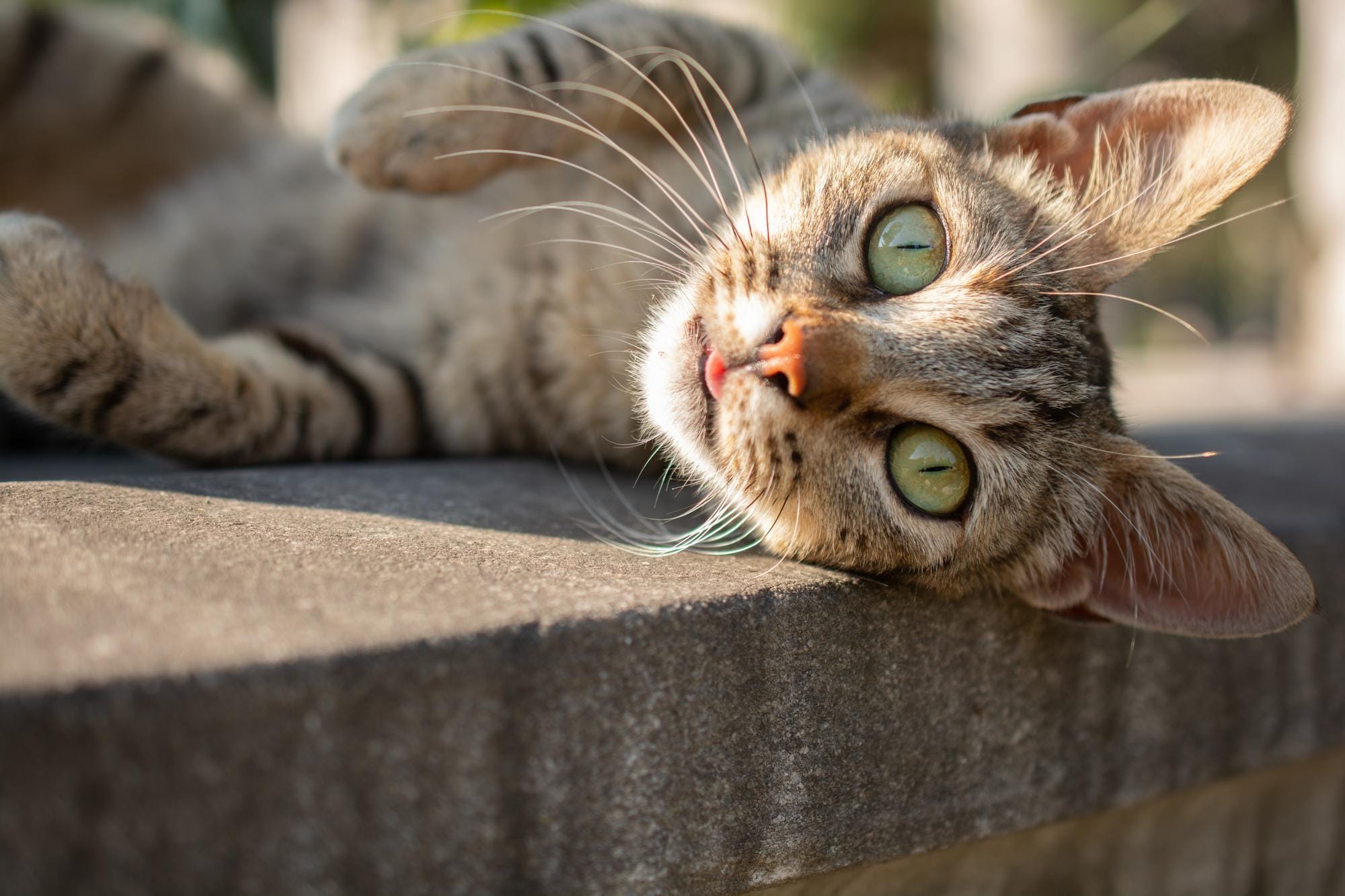
Cats do not measure their lives in milestones. They experience life through rhythm, repetition, and atmosphere. What feels ordinary to a human often forms the emotional backbone of a cat’s world. The way sunlight enters a room in the afternoon, the sound of footsteps at a familiar hour, the pause before a meal is placed down. These small, repeated moments create a sense of safety and belonging.
For cats, happiness is rarely loud. It lives in predictability paired with gentle choice. When a cat knows the day’s shape but still has freedom within it, they relax into the environment. This balance allows them to be curious without being alert, social without being overwhelmed.
How Cats Read the Energy of a Home
Cats are exceptionally sensitive to emotional tone. They notice changes in movement, voice, and pace long before humans do. A calm home feels different to a cat than a rushed one. Even without understanding words, cats respond to consistency in mood. Homes that move at a steady rhythm tend to produce cats that are more confident and socially open.
This sensitivity is why cats often gravitate toward quiet moments. Sitting nearby while you read, work, or rest is not accidental. It is how cats share space without demanding attention. Recognizing this as connection rather than indifference changes how cat parents experience companionship.
The Power of Shared Stillness
Unlike many animals, cats bond deeply through stillness. Being present without touching, watching without interrupting, and allowing closeness without expectation builds trust faster than forced interaction. A cat that chooses to nap nearby is expressing comfort at a profound level.
These moments teach an important lesson. Relationships with cats are collaborative. When humans slow down enough to match a cat’s pace, communication becomes subtle but meaningful. Over time, this shared calm strengthens attachment and reduces anxiety.
Everyday Choices That Build Confidence
A confident cat is not created through stimulation alone. Confidence grows when cats feel capable. Allowing them to explore new objects at their own speed, offering elevated viewpoints, and giving them control over when to engage all contribute to emotional resilience.
Even routine activities like feeding and play can be shaped to support confidence. Predictable timing combined with small variations keeps life interesting without being stressful. Cats thrive when they feel involved rather than managed.
A Life Designed From a Cat’s Perspective
Designing a life for a cat does not require constant activity or endless enrichment. It requires observation. Each cat expresses joy differently. Some seek sunlight, others follow familiar paths, and some prefer quiet companionship. When cat parents stop measuring happiness by visible excitement and start noticing calm engagement, the relationship shifts.
A well lived cat life is one where nothing feels urgent. Where days unfold gently. Where the environment feels safe enough for curiosity to emerge naturally. In that space, cats do more than exist. They settle, connect, and quietly flourish.