
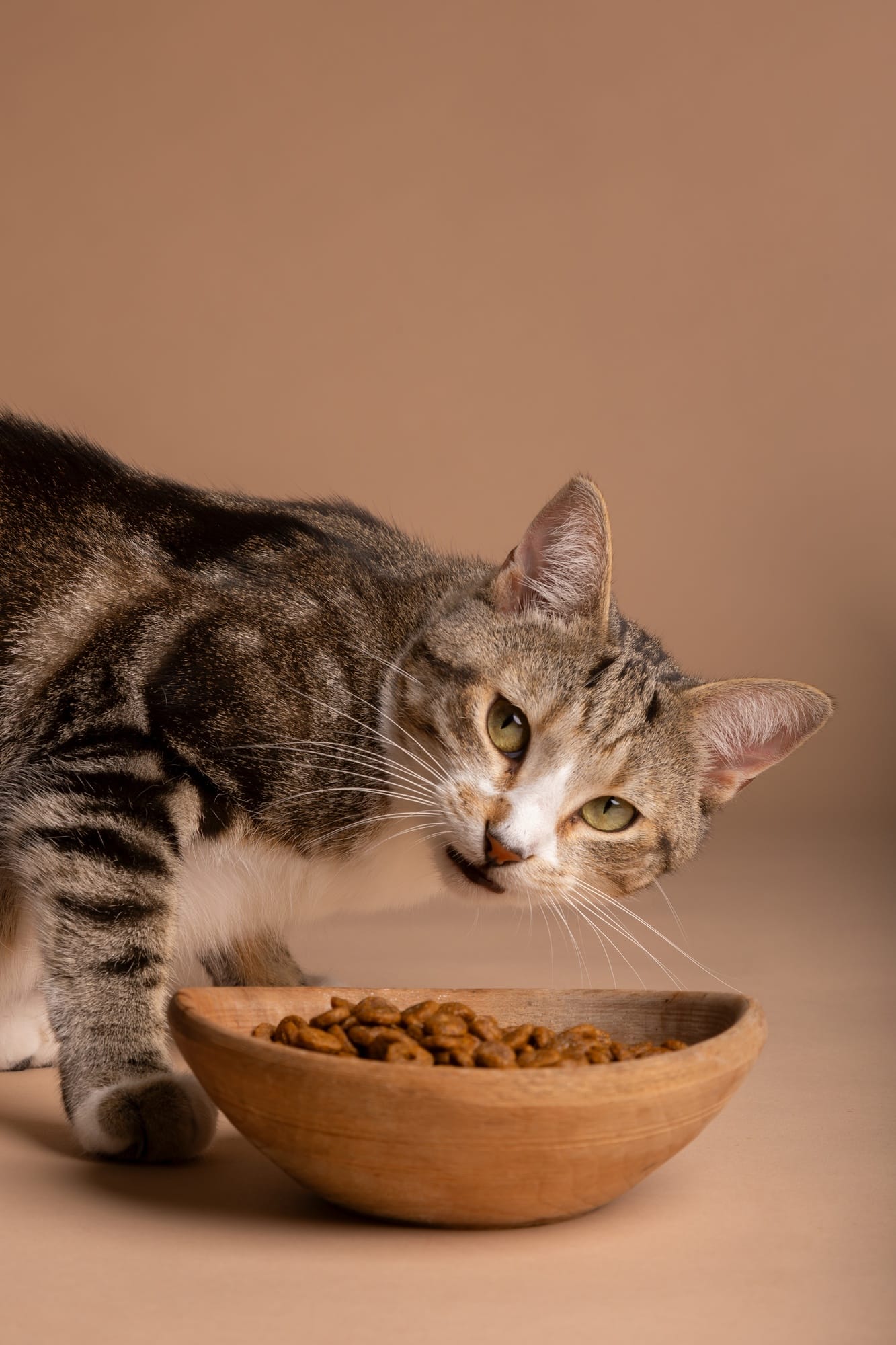
A cat’s diet plays a central role in their long term health, but it is often approached in a confusing and oversimplified way. Marketing terms, conflicting advice, and internet trends can make feeding feel more complicated than it needs to be. At its core, a good diet is one that supports a cat’s biology, digestion, and daily energy needs without excess or deficiency.
What Cats Are Designed to Eat
Cats are obligate carnivores. Their bodies are built to process nutrients that come primarily from animal sources. Protein is not just important, it is essential for maintaining muscle mass, organ function, and immune health. Fats provide energy and support skin and coat condition. Unlike omnivores, cats have limited ability to utilize carbohydrates efficiently.
This does not mean every diet must look the same. It does mean that animal based ingredients should form the foundation of any feeding plan. When evaluating food, ingredient quality and balance matter more than trends or buzzwords.
Reading Ingredient Lists With Purpose
Ingredient lists can be useful when read correctly. Ingredients are listed by weight, meaning the first few items provide the bulk of the nutrition. Named animal proteins indicate clarity and transparency. Vague terms suggest less consistency in formulation.
Additives and supplements are not inherently negative. Vitamins and minerals are necessary to meet nutritional requirements. The concern arises when fillers dominate the formula without offering meaningful nutritional value.
Rather than searching for perfection, aim for foods that are clearly formulated, nutritionally complete, and appropriate for your cat’s life stage.
Wet Food, Dry Food, and Feeding Styles
Both wet and dry foods can be part of a balanced diet. Wet food contributes moisture, which supports urinary and kidney health. Dry food offers convenience and can work well when portioned appropriately.
Many households successfully combine the two. The key is moderation and consistency. Sudden changes in food type can cause digestive upset. Any transition should be gradual, allowing the digestive system to adapt.
Feeding schedules also matter. Regular meal times support digestion and help regulate appetite. Free feeding may work for some cats, but portioned meals make it easier to monitor intake and notice changes.
Adjusting Diet Across Life Stages
Nutritional needs change over time. Kittens require higher energy and protein to support growth. Adult cats need balanced maintenance diets. Senior cats may benefit from easily digestible proteins and adjusted calorie levels.
Health conditions such as allergies, dental issues, or urinary concerns may require dietary adjustments under veterinary guidance. Diet is not one size fits all, and periodic reassessment is part of responsible care.
Diet as Part of Overall Wellbeing
Food does not exist in isolation. Stress, activity level, and environment all influence how a cat eats and processes nutrients. A well matched diet supports stable energy, healthy weight, and predictable digestion.
When feeding is approached thoughtfully rather than reactively, it becomes a stable part of daily care. A good diet is not about following rules. It is about meeting your cat’s needs consistently and sensibly over time.